Low Demand Coaching
for neurodivergent
families
Individual Sessions & Packages Available
Are you drowning in parenthood?
Feeling lost, stressed, or like you’re getting it wrong? Maybe you need a conversation partner who gets it, so you can process better ways to support your child—especially if they have unique challenges like PDA, autism, or ADHD.
We are here for you!! First off: You’re not doing this wrong. The demands placed on parents of high needs kids are real and intense. It’s hard because it’s hard.
But also, there are real, concrete way to release the demands, align your expectations, and find ease and joy in the low demand life.

Low Demand Coaching is here to help!
Coaching is designed to help you move from managing behaviors and surviving meltdowns to living with real stability. We know the challenges you face because we’ve experienced it ourselves. We know the way that typical parenting advice fails. We know the pressures and trade offs. We know burnout, school refusal, sibling aggression, and medication challenges.
What is Low Demand Coaching?

Coaching is like having a guide by your side as you navigate the extraordinary challenges of your daily life. It is having a conversation partner who truly gets it, who lives the same life and feels the same pain.
You’ll get hands-on strategies and emotional support to better understand your child’s needs and to respond to them with compassion, as well as a focus on meeting your own desperate needs as the caregiver.
Perhaps you simply need to be witnessed with love and zero shame. Perhaps you need to work through a specific challenge like transitioning from school to homeschool, or finding your way through autistic burnout, or navigating a tricky diagnosis.
You might need a shared space with your partner to learn concrete parenting strategies that will help you shift your home environment from chronic stress to more ease and connection.
Low demand parenting is powerfully transformative, but it's also deep, difficult work. Coaching gives you the support you need to truly change your life.
"Seeking a deeply kind human who has done her own work to walk alongside you with generosity?"
— Iris, Parent
"Look no further than Sunita. She’s a skilled communicator- in writing, in spoken word. Her intersection of identities and experiences also makes it so- that she brings richness to her own sharing and what she’s able to see inside of a situation or context that others might miss. And if your experiences differ- I have found that she has the ability and sensitivity to respect and hold that too. A bonus- she easefully brings healing humor into the room, if you would so welcome it. Get to know her, I’m really glad I have."
Tailored coaching with our Low Demand Coaching Team can empower you and your family:
➡ UNDERSTAND AND EMBRACE NEURODIVERSITY
Gain deep insights into your child’s unique neurodivergent profile, learning to work with their natural tendencies rather than against them.
➡ SHIFT YOUR MINDSET
Move from managing behaviors to nurturing your child’s emotional and neurological well-being.
➡ RESOLVE COMPLEX CHALLENGES
Receive wise guidance on navigating tricky family or school situations with confidence and compassion.
➡ EFFECTIVE COMMUNICATION STRATEGIES
Learn how to communicate your child’s needs and your low demand parenting strategy effectively with family, schools, and health professionals.
➡ A GENTLE AND SUPPORTIVE SPACE FOR YOU
Our coaching offers a safe, understanding environment for you to explore your own emotions and challenges as a caregiver. Co-parents are welcome to join coaching calls together or individually.
You’ll finally have the full support you need to turn
“get through” to “breakthrough.”
What We Offer:

Personalized Coaching
Each session is customized to meet the specific needs of your family. Whether you’re dealing with daily challenges or long-term strategies, our coaching is designed to adapt and evolve with your family’s journey.
Expertise in Neurodivergence
With a focus on autism, PDA, anxiety, and disability, our coaches bring a wealth of knowledge and personal experience to help you understand and support your child’s unique needs.
Support for Caregiver Burnout
We recognize the intense demands placed on caregivers. Our coaching offers strategies to help you come back to life, so you have enough inside to provide the intensive support your family needs.
Practical Resources and Tools
From practical worksheets to in-depth training videos, our coaching includes a variety of resources to reinforce your learning and application of low-demand strategies.
From Toddlers to Teens
Low demand is more about the strategy and the parenting approach than it is about a particular age or life-stage. This coaching will help if you're seeking support with toileting or transitions or social dynamics and school truancy.
"I wish more leaders understood neurodivergence -- especially PDA! -- the way Sunita does."
— Alyssa, Parent
"Sunita was one of the first people I met who didn't seem to require me to justify or overexplain why my PDA kids and I (their probably PDA mom!) were having a rough time. Sunita speaks about both her own and her kids' PDA with compassion and clarity. When I attended a support group she led, her recommendations were grounded and practical. Because of her own background, she knows how to navigate different faith and cultural contexts, with plenty of room for people whose beliefs and experiences differ from her own."

“Our turning point is not when we hit rock bottom.
It’s when we stop suffering in silence.”
Amanda Diekman, The Low Demand Parenting Method
MEET THE COACHES
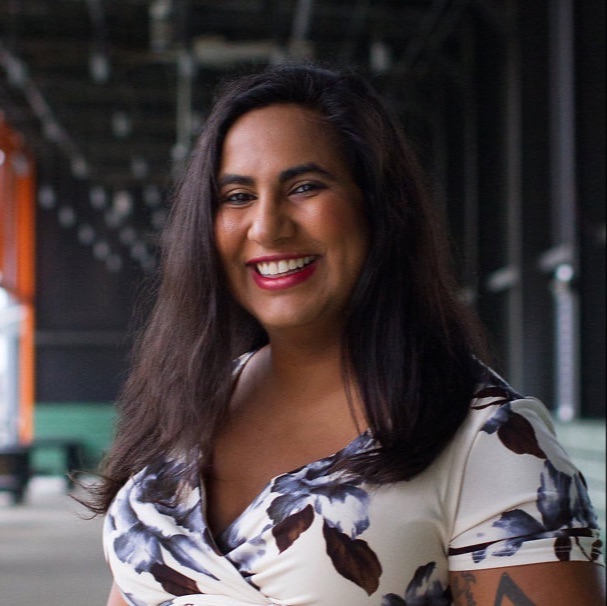
Sunita Theiss
Sunita’s desire to help and love others is deeply rooted in her faith, and she offers a safe, accommodating, and nonjudgmental space for ALL families seeking guidance.
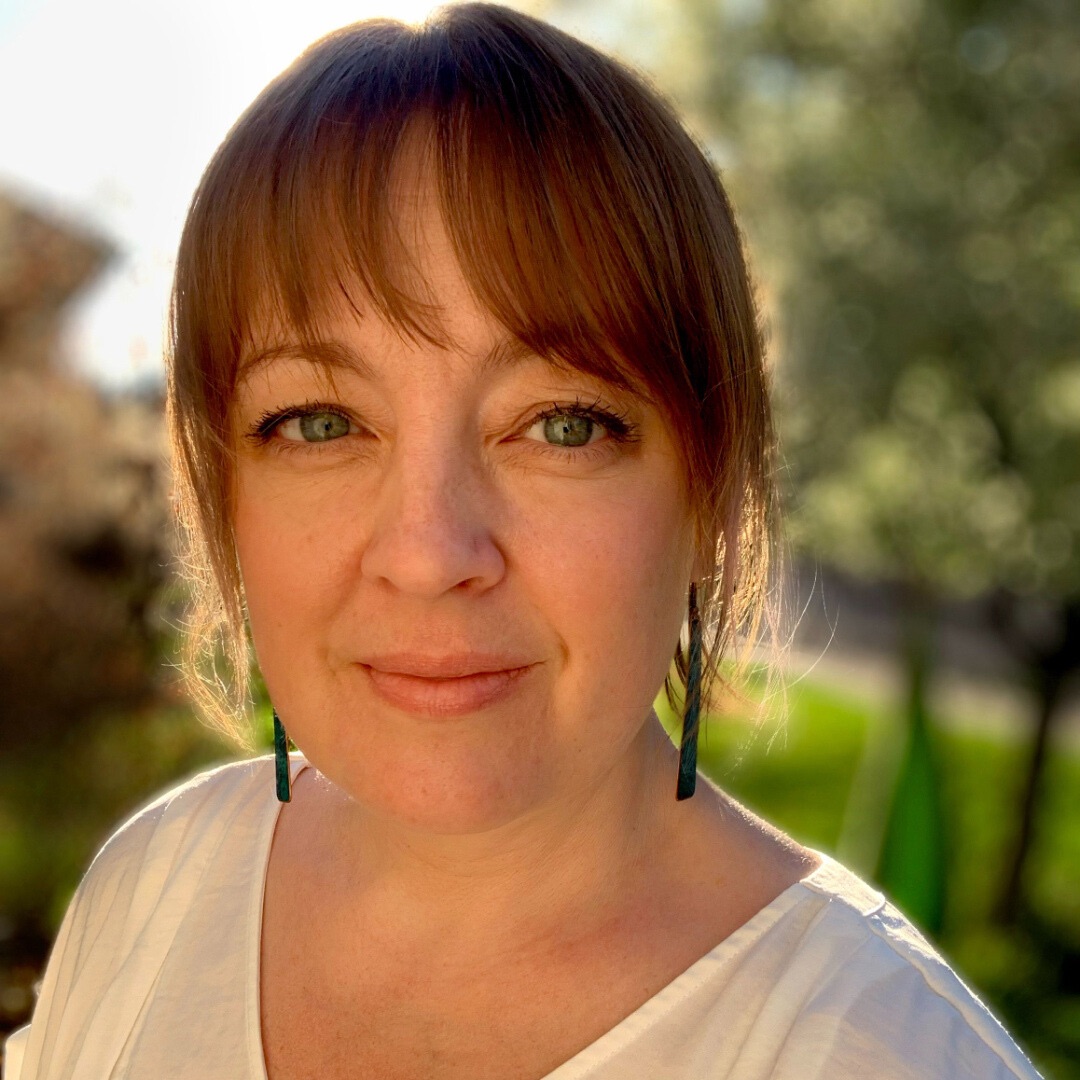
Keema Waterfield
Keema specializes in creating supportive, low-demand environments for families navigating the complexities of neurodivergence, including anxiety, disability, autism, and Pathological Demand Avoidance (PDA).
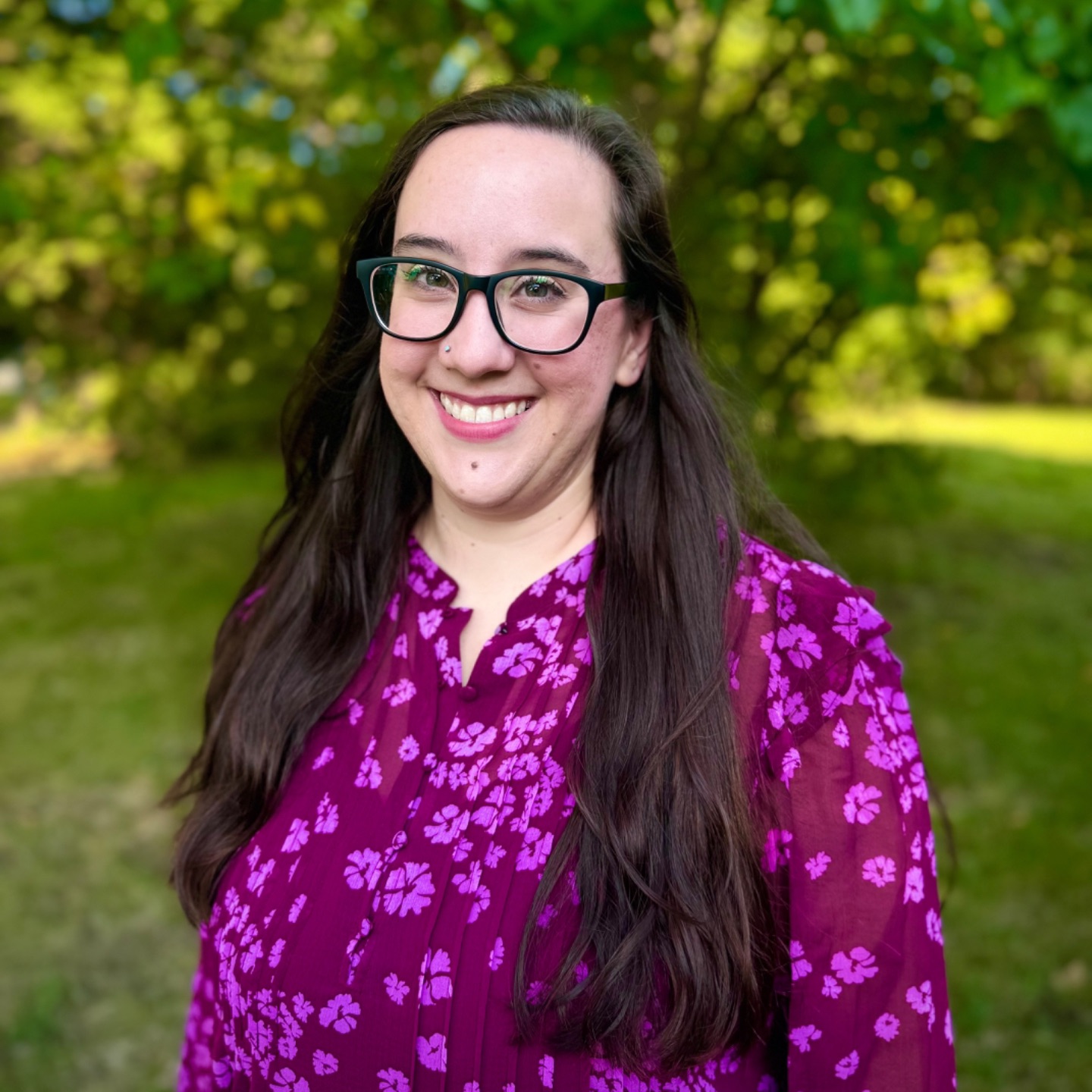
Gabriele Zonnefeld
With a background in psychology and child advocacy, Gabriele brings both academic understanding and real-world insight to her work.
Book your FREE introduction call!
What to expect...

The purpose of the free intro call is to discern if coaching is right for you right now. We know that having the right fit and vibe with your coach is so important.
If it’s not a fit for any reason, we totally understand and can help refer you to another member of our team (or outside, if you need specific expertise).

Please come prepared to give an overview of what you're looking for in coaching and to share any questions that you have! We welcome your questions, your honesty, and your exploration.

The 20-minute intro call is not enough time to get to any concrete next steps or a full exploration of your story but to assess your coaching needs.
Complete the form below to schedule and pick your coach!
After your Introduction call, book a package with a coach!
What we can accomplish with...

1 Session
- Create a bedtime plan for when your kid can’t get off their device
- Figure out why your kid is refusing therapy
- Game plan showers and washing hair to make it doable
- Lower demands for math homework
- Discern which issues need to be tackled now, and which can go onto the back-burner
- A PDA primer to grow your understanding of the what/why/how of this neurotype

1 Month
(or 4 sessions)
- Address sibling screen conflict and how to share limited devices
- Go from severe constipation and toileting refusal to a supportive low demand approach
- Process how you want to address school concerns and advocate for accommodations
- Understand a fake drop and how to get more proactive

3 Months
(or 9 sessions)
- Move from walking on eggshells to genuinely lowering demands to match your child’s real capacity in burnout
- Meet your needs as the full time caregiver when you’re drowning in round the clock coregulation
- Get on the same page as your partner about what demands to drop and why it’s not weak, permissive parenting
Coaching Specifics
Duration: Each individual session lasts 45-minutes. You choose if you want to book 1, 4, or 9 sessions at a time.
-
Pricing: Individual sessions are $150/session. The 4-session package is $500 (save $100). The comprehensive 9-session package is $997, spread over three monthly payments, which is 25% off the price of buying the sessions a la carte.
-
NDIS/Grants: Invoices for NDIS funding for Australian participants is available! If you have access to private, governmental, or grant funds, and we can help submit documentation, please let us know! Email [email protected].
-
Virtual Sessions: Each session is conducted virtually, on a private portal, ensuring confidentiality and comfort from your own home.
-
Flexibility: Sessions are designed to adapt to the evolving needs of your family, making every meeting relevant and impactful. (Need to be screen-off? Taking frequent breaks to check on a kid? While also washing dishes? We get it.)
-
Supportive Materials: You will have access to session notes and exclusive resources that complement your coaching experience.
-
Parenting Partners: We honor all types of families and welcome co-parents and parenting partners to join calls together.
Let's get started!
"I would highly recommend her as a parent coach and mentor to all of my PDA families who are struggling."
- Melissa Neff, psychologist and assessor
"Keema is an absolute gem. She knows PDA because she is living it every day, and this is the context in which I know her. Despite parenting in impossible circumstances, she remains a creative force who uses humor, wit, and practicality in her successful child interventions. She retains a positive attitude through in the toughest of circumstances. Keema has an intuitive knowledge of how to understand and engage PDA’ers in a way that feels gentle, affirming, and supportive. With Keema, families will be in skilled, safe hands."
MEET SUNITA.
Hi, I’m Sunita.
I’m a late-diagnosed PDA, autistic, and ADHD adult raising wildly creative and fiercely independent children. My experience as a parent has been deeply shaped by watching my own mother take on the role of caregiver for my father throughout my childhood and young adulthood as he navigated a series of health issues, and by my own experience raising a neurodivergent family.
Growing up in the South as a child of Indian immigrants, I often struggled to navigate cultural, academic, and social dynamics as someone who didn’t look like my peers and often felt out of step with the expectations around me. We didn’t realize it then, but my family was often accommodating me in ways that helped me survive (and sometimes thrive), in all of these areas.
As an adult, my relationship with my family is closer than ever because we have worked together to better understand the many ways my neurodivergence shaped our interactions, my choices, and my coping skills. My mom is one of the most low demand grandmothers I’ve ever met, and I’m thrilled that we continue to learn from each other.
I know firsthand the unique tensions that can arise when cultural expectations, extended family dynamics, and faith intersect with the realities of parenting children whose needs don’t fit traditional molds.
As a new mom with a “difficult” child, I was constantly baffled. I struggled to understand the underlying reasons behind my child’s intense need for autonomy, resistance to everyday demands, and cycles of overwhelm. After we had another child who exhibited these same tendencies in wildly different ways (and couldn’t ignore the similarities between the two of us), I began to explore my own neurodivergence.
As I better understood myself, developed better skills for my own regulation and internal felt-safety, and made drastic shifts in our family’s pace of life and definition of success, I gained language and tools that have helped me to truly see my children and meet them where they are. It wasn’t just about strategies—it was about an entire mindset shift, a reimagining of what parenting, education, and daily life could look like in a way that prioritized safety, connection, and trust over compliance and expectation.
As a coach, I’m here to support families navigating the often-overwhelming world of raising PDA and neurodivergent children—especially those balancing these challenges within cross-cultural dynamics or faith-based settings. While my Christian faith is a cornerstone of my own journey and deeply informs my desire to love others well, my coaching approach is always gentle, accommodating, and safe for families of ALL backgrounds, beliefs, and brains.
Whether you’re seeking to understand your child’s unique PDA profile, untangle cultural or generational expectations, create a home environment that works for your family, or simply need a space to process the emotional weight of this journey, I’m here to walk alongside you. This is a space where you can ask hard questions, grieve, celebrate, and most importantly, find a way forward that honors both you and your child.
This is a space where you can ask hard questions, grieve, celebrate, and most importantly, find a way forward that honors both you and your child.
Book a call with Sunita

MEET KEEMA.
Hi, I’m Keema.
I’m an author, musician, and sometimes stand-up comic making a mid-life pivot in support of my two incredible neurodiverse kids who are 8 and 5. Now I’m dropping demands left and right, and bringing my creative skills to parent coaching, where I specialize in supporting families with a PDA child or teen seeking clarity on low demand parenting as they pursue safety and ease in their household.
I’m neurodivergent by way of early childhood trauma, and I’ve always instinctively been a child-led parent. I believe every kid is a good kid worthy of safety, security, and belonging. That behind every behavior, there is a cause. Still, I struggled to find the root “why” beneath my youngest child’s arousal patterns. His nicknames as a toddler were The Screaming Goat and Destructobot, because of the path of high-volume destruction he left behind him as he tore through the house every waking minute that he wasn’t held or nursed.
I knew in my bones that my son’s behavior wasn’t a “toddler thing.” Not a phase, not a failure to understand the word “no” or follow rules, not caused by pandemic isolation or failed attachment, and not gendered (I heard all of that, and more). Still, three separate preschools said he couldn’t be autistic when I asked for an evaluation. “Look at his eye contact,” they said. “His incredible language skills, how deftly he manages himself on the playground when things are going his way!”
Eventually, I found a neurodiversity-affirming therapist who saw what I saw: a delightfully impish, wildly self-determined, highly sensory seeking child who’s escalating panic attacks after only 8 hours a week of Special Education preschool were impacting his basic needs. Especially sleeping, eating, and toileting. They recognized that he was still growing into his autistic traits, and that no amount of body doubling or gentle transitioning was enough to get my son through even two hours of preschool play without needing to come home and decompress by trying to break everything in sight. Toys, instruments, sister’s art projects, often just my arm.
In seven words that therapist saved all our lives: Autism with a Pathological Demand Avoidance profile.
What a life-changing thing it is to finally have language for our challenges after years of searching.
Despite our luck with that therapist and those seven words, my son went into autistic burnout two months later, at the end of his first full year of extremely part-time preschool. I couldn’t get the world on board fast enough to support him and the rest of my family, and I went into caregiver burnout right along with him. It was both easy to see that school wasn’t a fit, and hard to accept that school might never be a fit, and that I needed to drop my career and creative pursuits to keep him home for good. We’ve since healed from burnout together and found our way into a new groove that allows us to flex and grow while continuing to steer ourselves toward that safe, secure belonging.
I’m committed to helping other families find safety, security, and belonging, and to help you get your world on board to support you and your family much faster than I did. We can work together to better understand your child’s unique expression of PDA, collect data around your PDAer’s threshold of tolerance, walk through burnout and recovery for your child and you, identify your household’s stickiest demands and get creative about dropping them, craft declarative language scripts specific to your household, support siblings and partners, brainstorm cooperative and parallel play opportunities for engagement (yes, I can even give you a primer on Minecraft, Roblox and YouTuber speak if this is a challenging area for you), or create a practical bridge to invite family and caregivers into your PDAer’s world. This is also a safe space to grieve, connect, weigh your cost/benefit decisions, and wonder aloud. I welcome all neurotypes, genders, cultures and partners.
This is your ship. You point us where you want to go, and I’ll stir up a gentle wind and flowing seas to help you navigate these deep waters.
Book a call with Keema
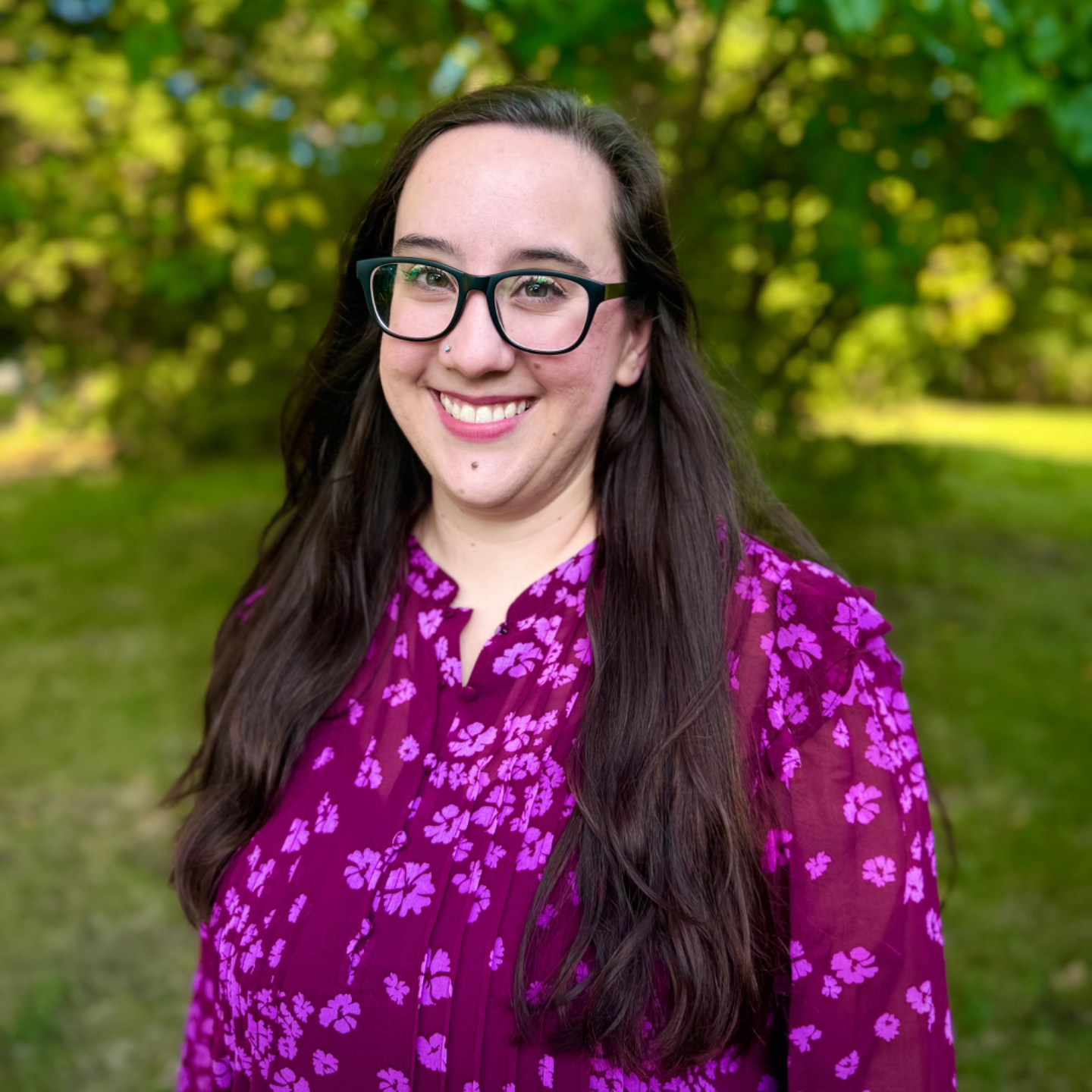
MEET GABRIELE.
Hi, I’m Gabriele.
I’m a dreamer, artist, avid reader, deep feeler, and late-diagnosed AuDHD mom to three autistic children — ages 3, 4, and 5. Two of my kids have a PDA profile, and I’m finally in a phase of motherhood where I feel like I’m coming back to myself.
My parenting journey started with three children in 28 months during a global pandemic. The first few years were a blur of isolation, sensory overwhelm, and burnout. I often felt like I was failing — at parenting, at regulating myself, at keeping everyone safe. I blamed myself for everything: my complex PTSD, my children’s meltdowns and feeding struggles, their inability to tolerate one another, their aggression and sleep difficulties. I was convinced that my stress was harming them, and I carried that weight daily.
Eventually, I found language that changed everything. I learned that neurodivergence was more expansive than I had ever been taught — even with a degree in Psychology focused on Child Advocacy. As I dove deeper, I began to understand not only my children, but also myself. I realized that I wasn’t broken. We weren’t broken. We were just wired differently.
Life didn’t suddenly become easy, but it became more possible. I gave myself permission to accommodate my children and myself. We began to heal. I rediscovered my hobbies. I started setting boundaries. Our family redefined what mattered. Dinners at the table? Gone. Rigid hygiene expectations? Gone. Instead, we model and talk. We center emotional intelligence and build skills for self-accommodation. And I see it paying off — my children no longer assume other kids are “bad” when they’re having a hard time. They’re learning compassion because we’re living it.
I’m also working through the grief of not being able to give my kids the “perfect” childhood I once dreamed of — one without instability, loss, or chaos. But I’ve learned that healing doesn’t come from controlling every variable. It comes from compassion — for them, and for myself.
I still have hard days. I still get lonely. But I’ve built a community — and I want to be part of your community, too.
As a coach, I’m here to walk with you through the hard, messy, beautiful reality of parenting autistic and PDA children — especially when you feel like no one else gets it.
I offer a safe space to be fully yourself, to grieve, to problem-solve, and to rediscover your own needs and worth. I welcome all neurotypes, genders, orientations, and cultures. You don’t have to carry this alone anymore.
Book a call with GabrieleBut maybe you're still wondering...
FAQS